Introduction
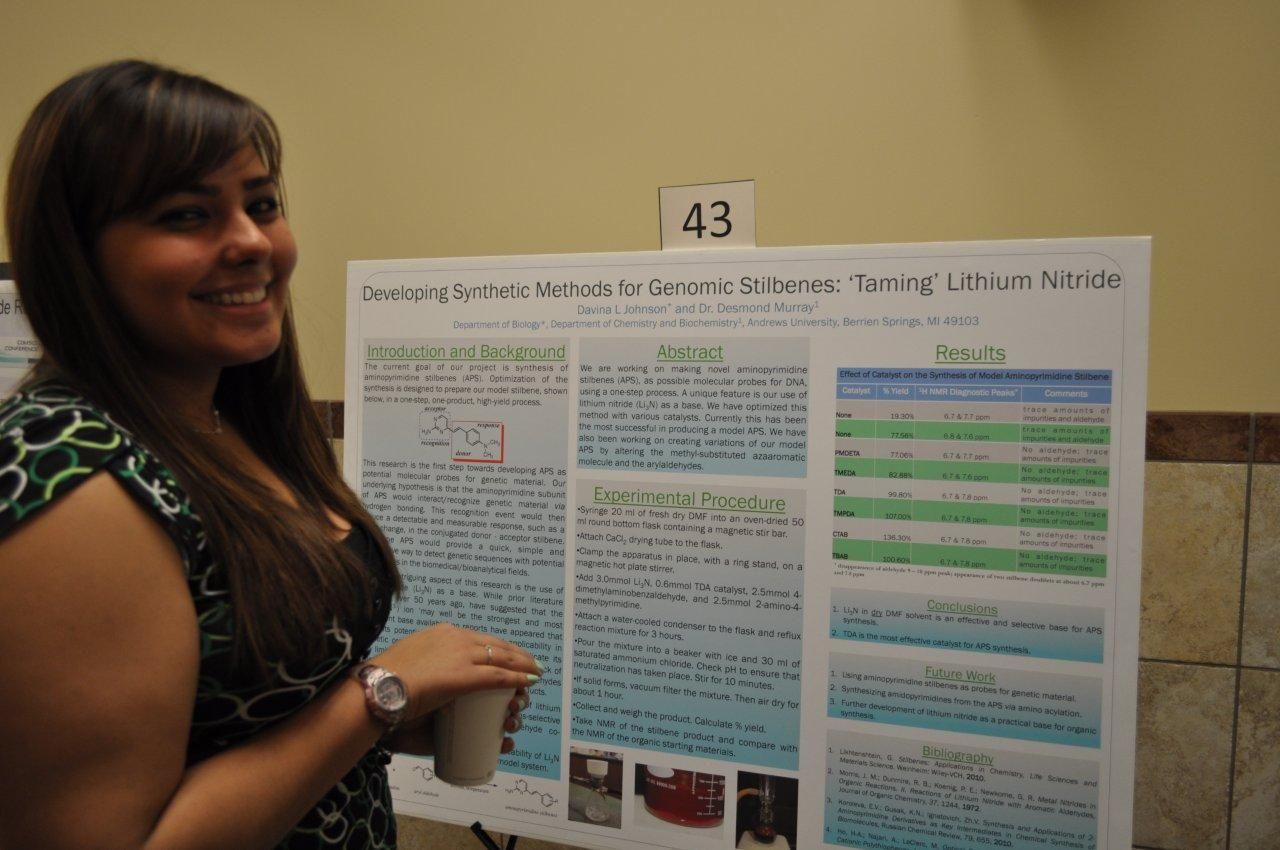
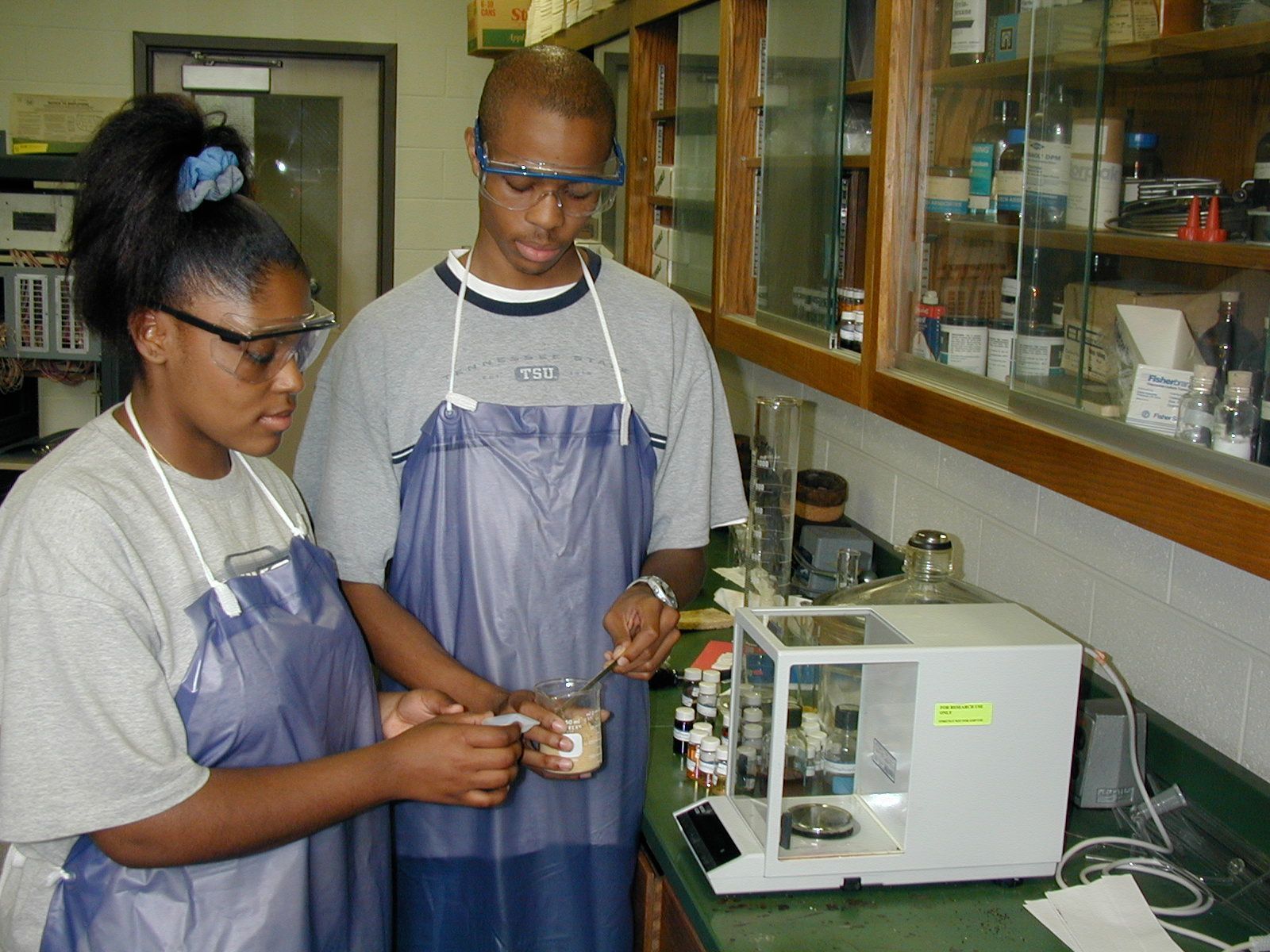
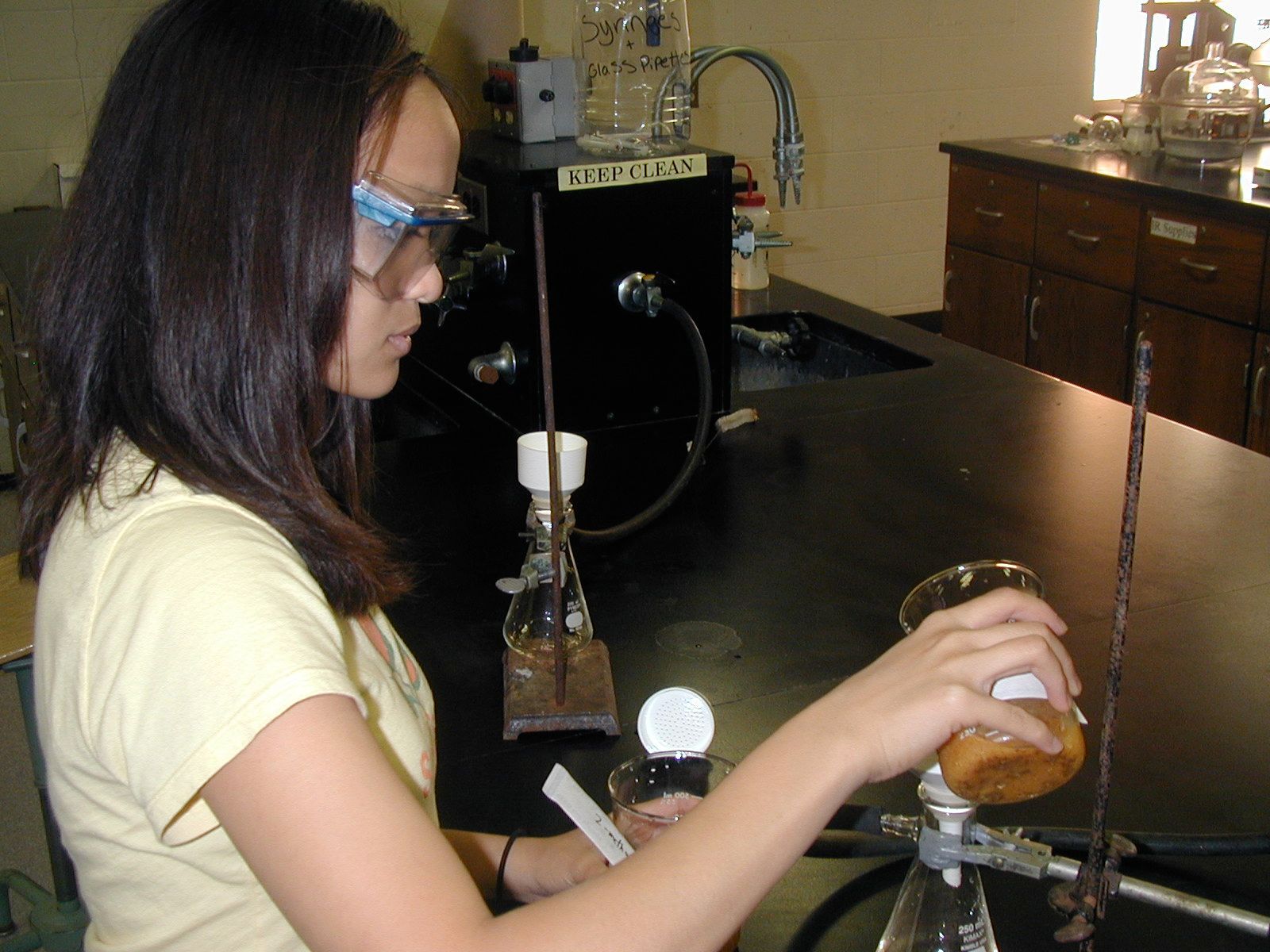
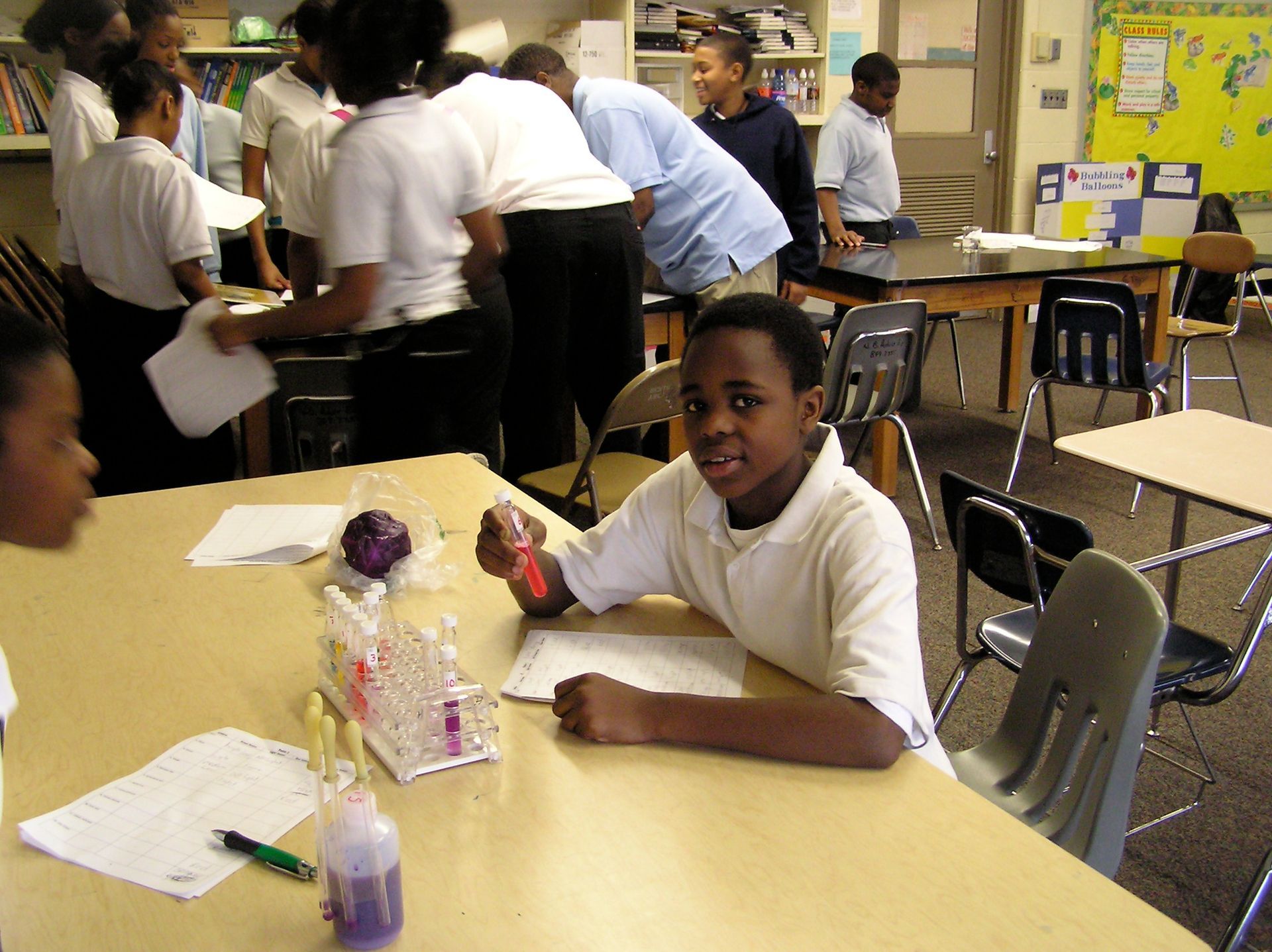
In 1998, I began incrementally re-imagining, re-purposing, and re-designing the second semester Sophomore Organic Chemistry lab to provide students with the opportunity to conduct authentic research. Traditional lab textbooks and confirmatory experiments were replaced by exploratory open-ended investigative projects designed to generate new knowledge.
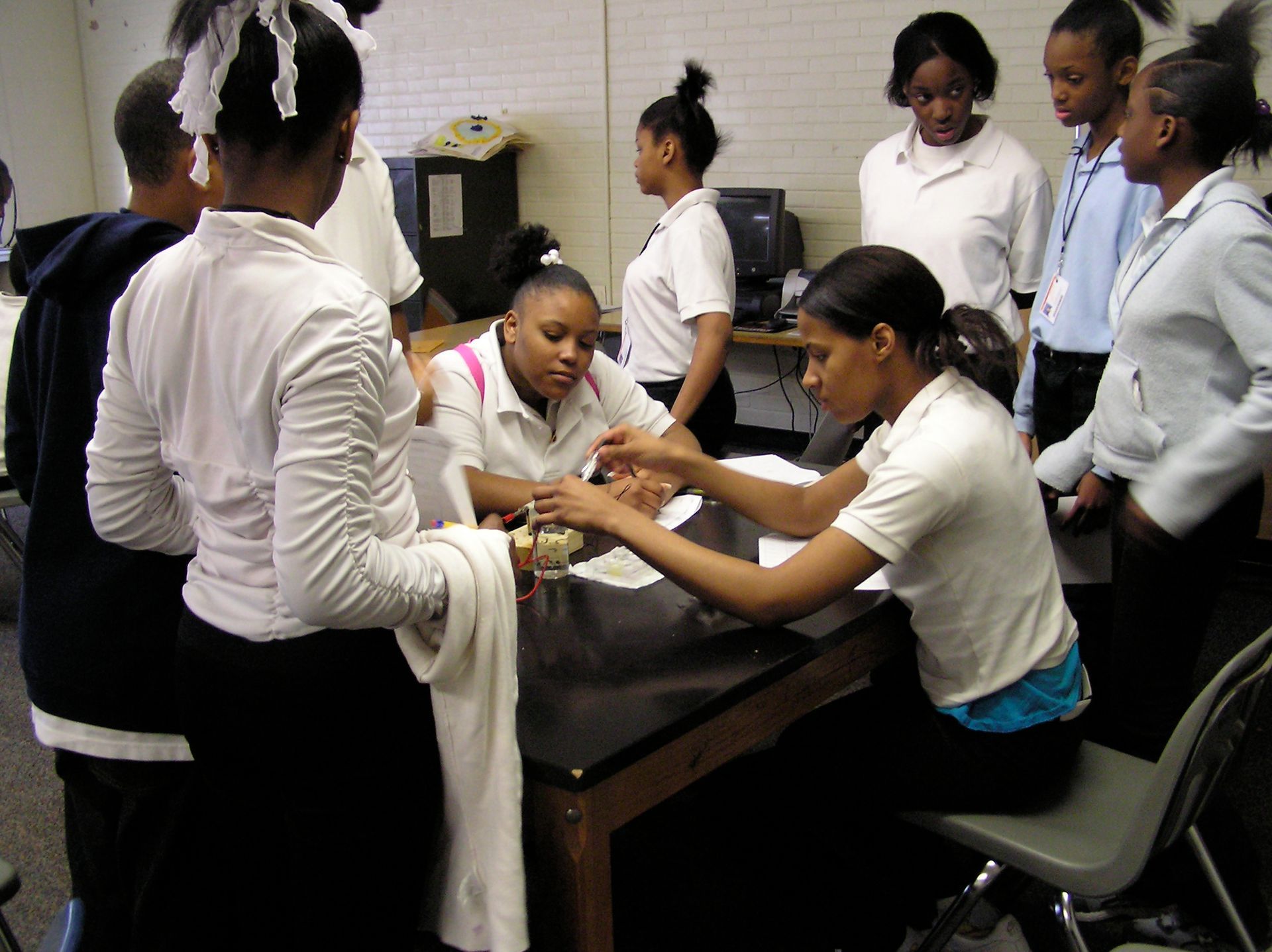
After several years of implementing course-based undergraduate research experiences (CURE) for college students, I established Building Excellence in Science and Technology (BEST Early). Its mission as a nonprofit organization is to promote and advocate for the universal adoption of early research. Then in 2006, I began providing early research opportunities for Grade 12 students like what was being done for my college students. I sometimes describe these ‘hands on, minds on’ opportunities as incubators of innovators aligned with the BEST Early motto of People First, Innovate Early.
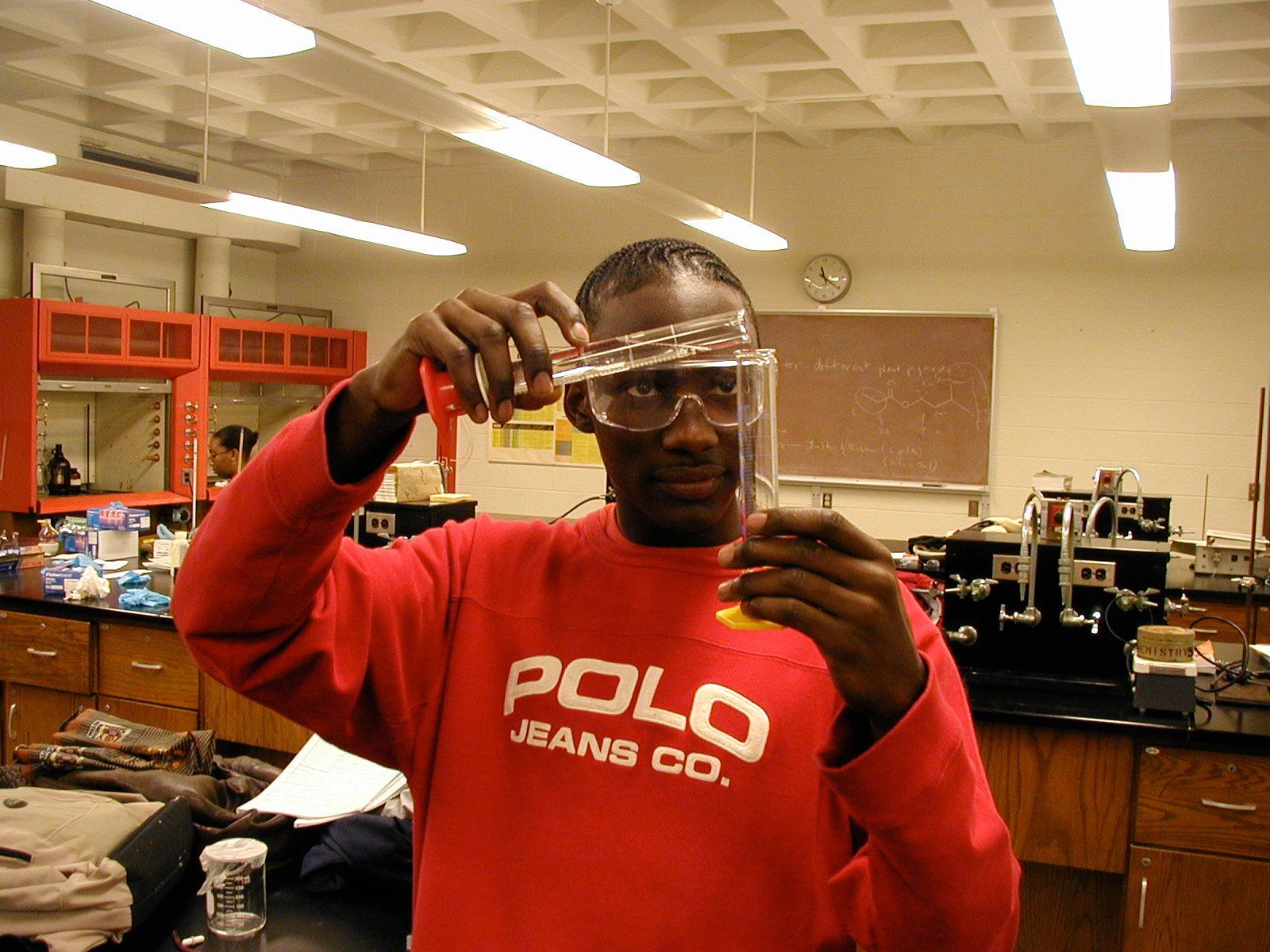
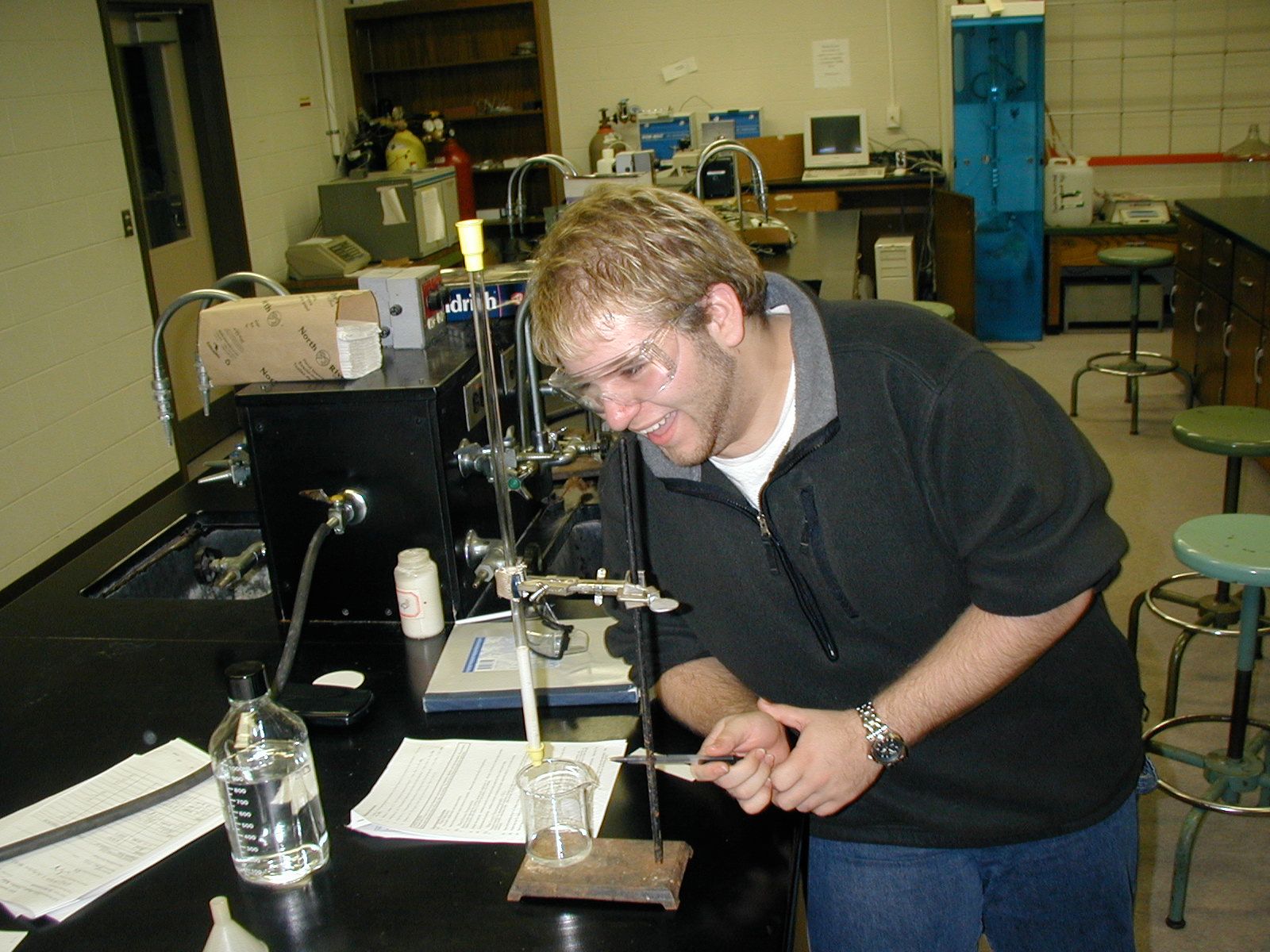
Both high school and college researchers were focused on and trained to utilize modern synthetic organic chemistry lab techniques, including FTIR and NMR. Eventually, the Grade 12 experience developed into a year-long interdisciplinary course with Fall focused on organic synthesis and Spring generally focused on bioactivity (e.g. anticancer, antibacterial, anti-fungal, pesticidal) of the synthesized compounds. However, some projects such as, investigating ‘green’ non-polluting synthetic processes and development of new organic reactions, extended for the entire school year. Several of these undergraduate and high school projects provided the basis for graduate level research projects and dissertations. This helped us to create a synergistic inter-level research ecosystem as illustrated below.
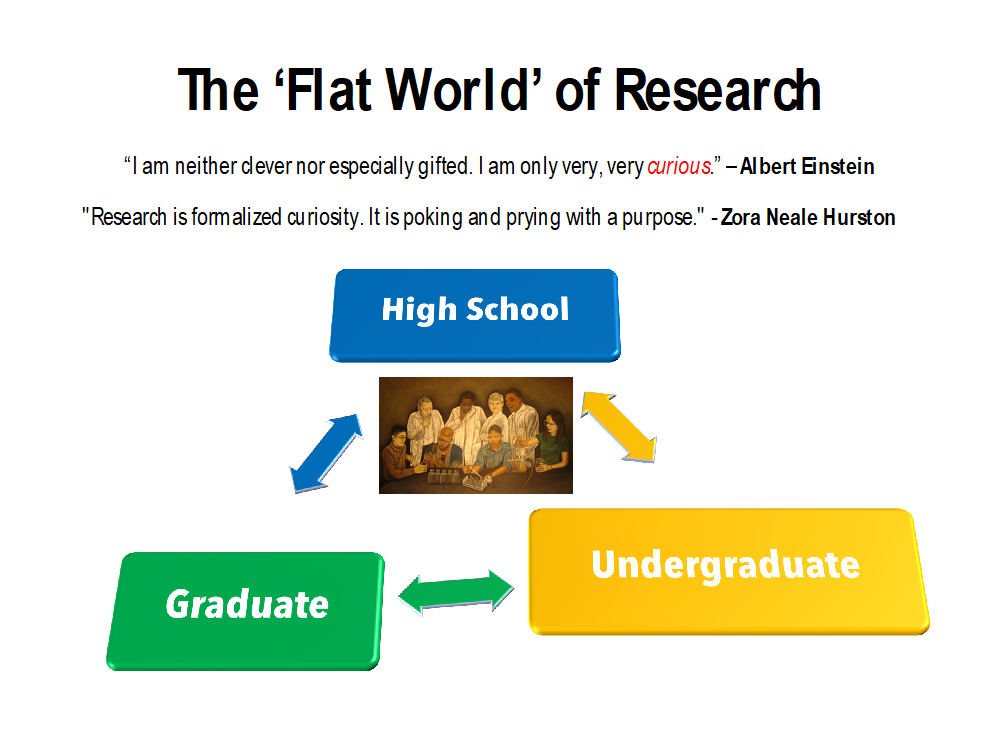
Synergistic Inter-level Early Research Ecosystem
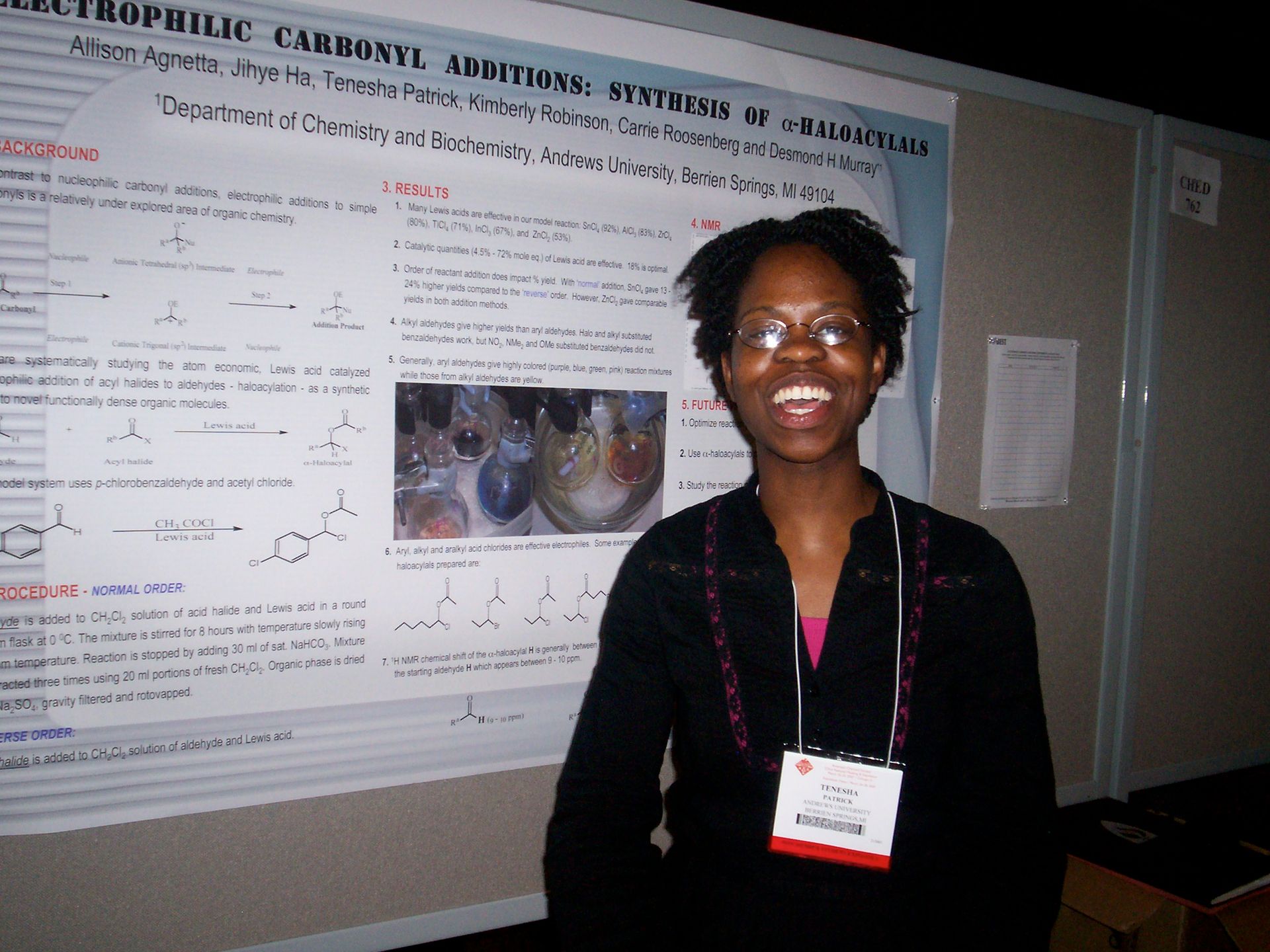
In our 2016 ACS Symposium book The Power and Promise of Early Research, my co-authors and I (a) defined early research, (b) discussed the benefits of early research, (c) provided extensive examples of ongoing early research initiatives, and (d) gave our thoughts and predictions on the future of early research. Selected examples of students (college and high school) conducting research and experiments under my supervision can be found at earlyresearch@bestearly, ochemresearch@bestearly, reactions@bestearly, and flametests@bestearly.
History shows that early researchers have made important contributions to science and society. Three examples, among numerous others, include Kizzmekia Corbett, William Henry Perkin, and Charles Martin Hall.
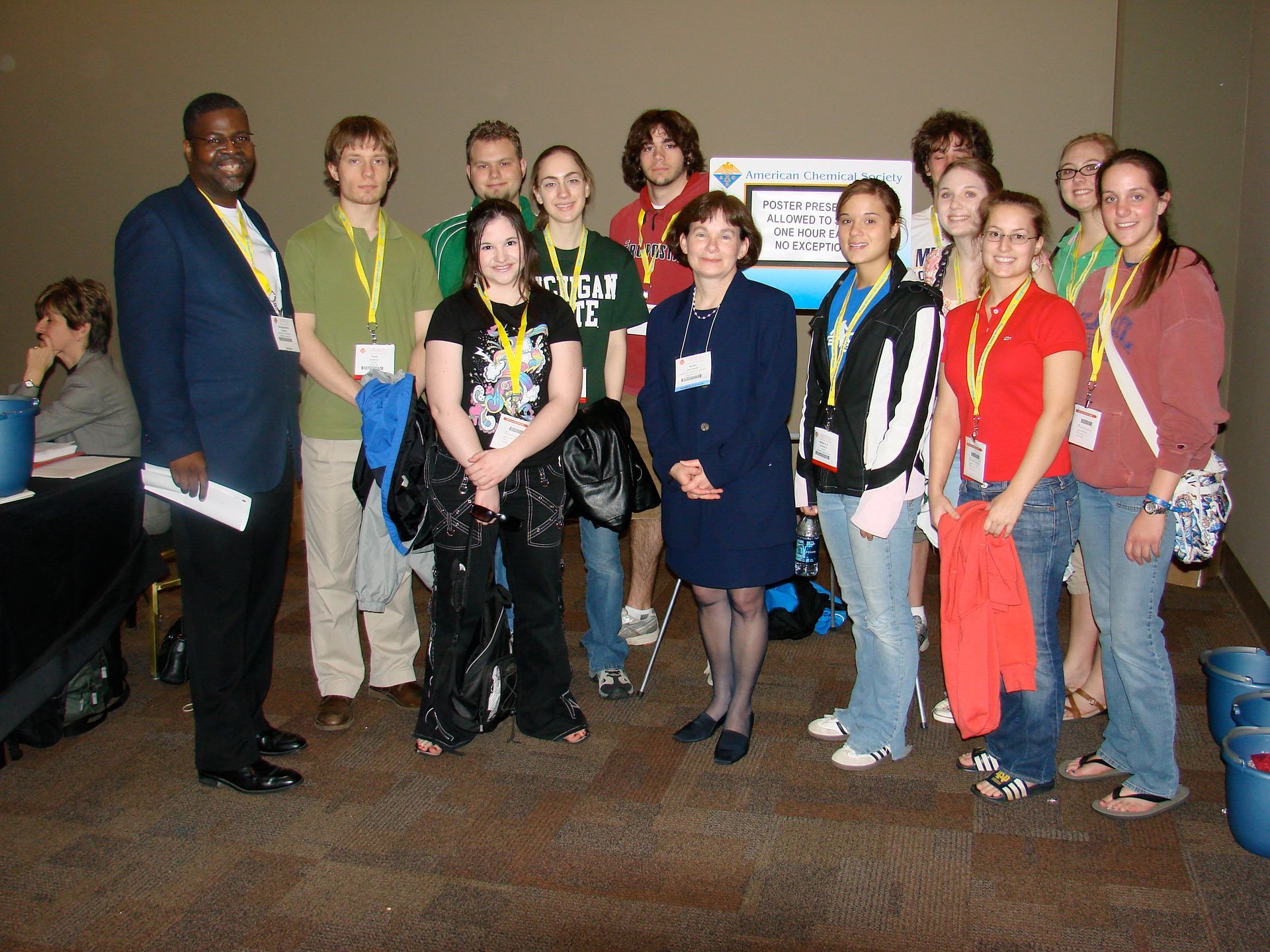
Kizzmekia Corbett: co-inventor of Moderna’s coronavirus vaccine in 2020 while working at the Vaccine Research Center at the National Institute of Allergy and Infectious Diseases, National Institutes of Health. She is now a Harvard University Assistant Professor of Immunology and Infectious Diseases. Her life of research began in Grade 10 when she participated in the American Chemical Society’s Project SEED program. It continued in college, early and often, through to her doctoral dissertation research on dengue virus and her work on COVID-19 vaccines at the National Institutes of Health.
William Henry Perkin: discoverer of the first commercial synthetic organic dye. He revolutionized the worlds of organic synthesis, dyes, and fashion. During his Easter Spring break in 1856, at the age of 18 and without a degree, Perkin completely revolutionized academic and industrial chemistry with the accidental discovery of mauveine - the first synthetic organic dye.
Charles Martin Hall: inventor of an inexpensive process for making aluminum from aluminum oxide at age 23. Aluminum was the first metal to attain widespread use since the prehistoric discovery of iron. He began conducting research towards that goal when he was 17. He was a co-founder of Alcoa Corporation, currently the world's eighth-largest producer of aluminum