Tributes
Tributes
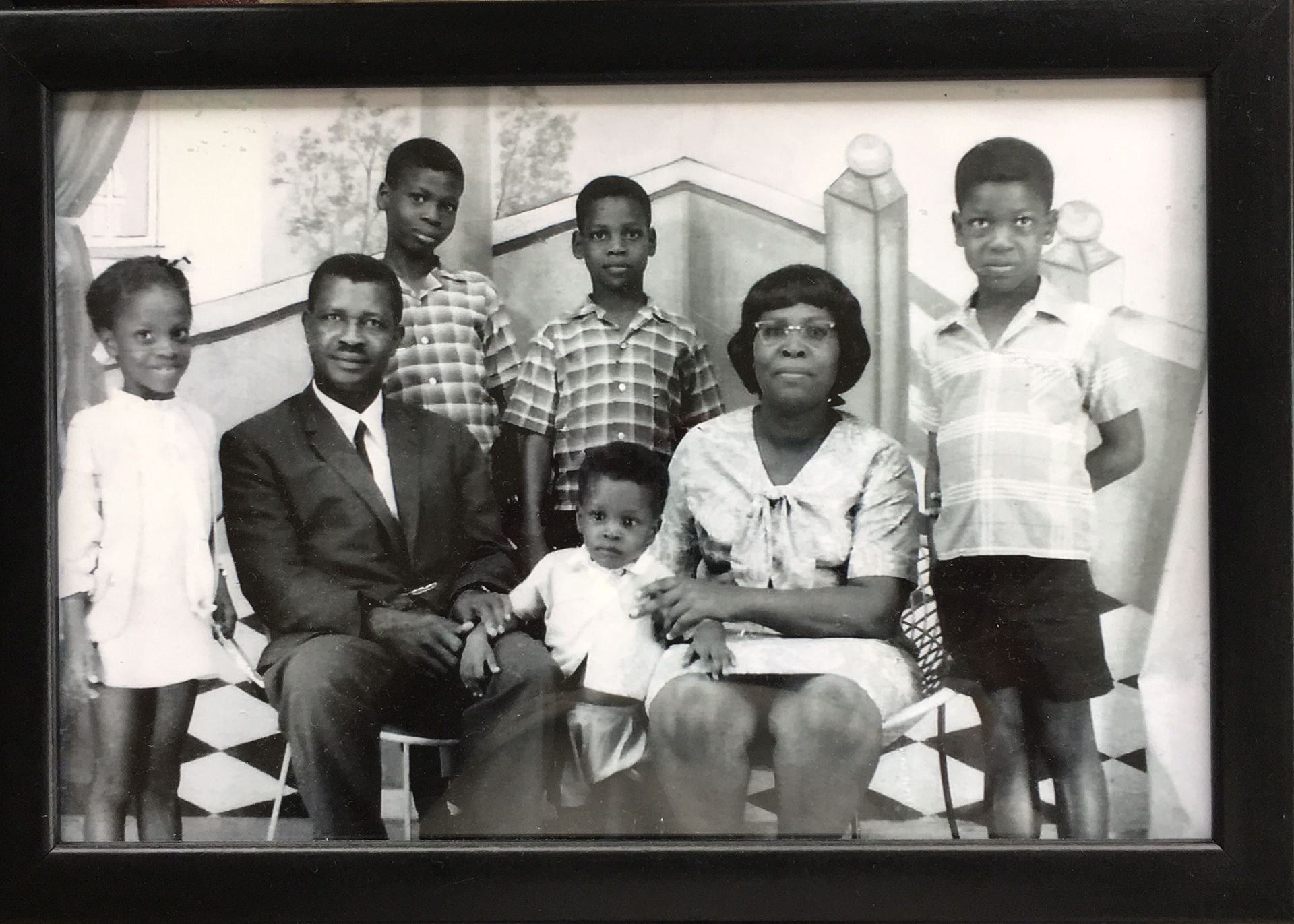
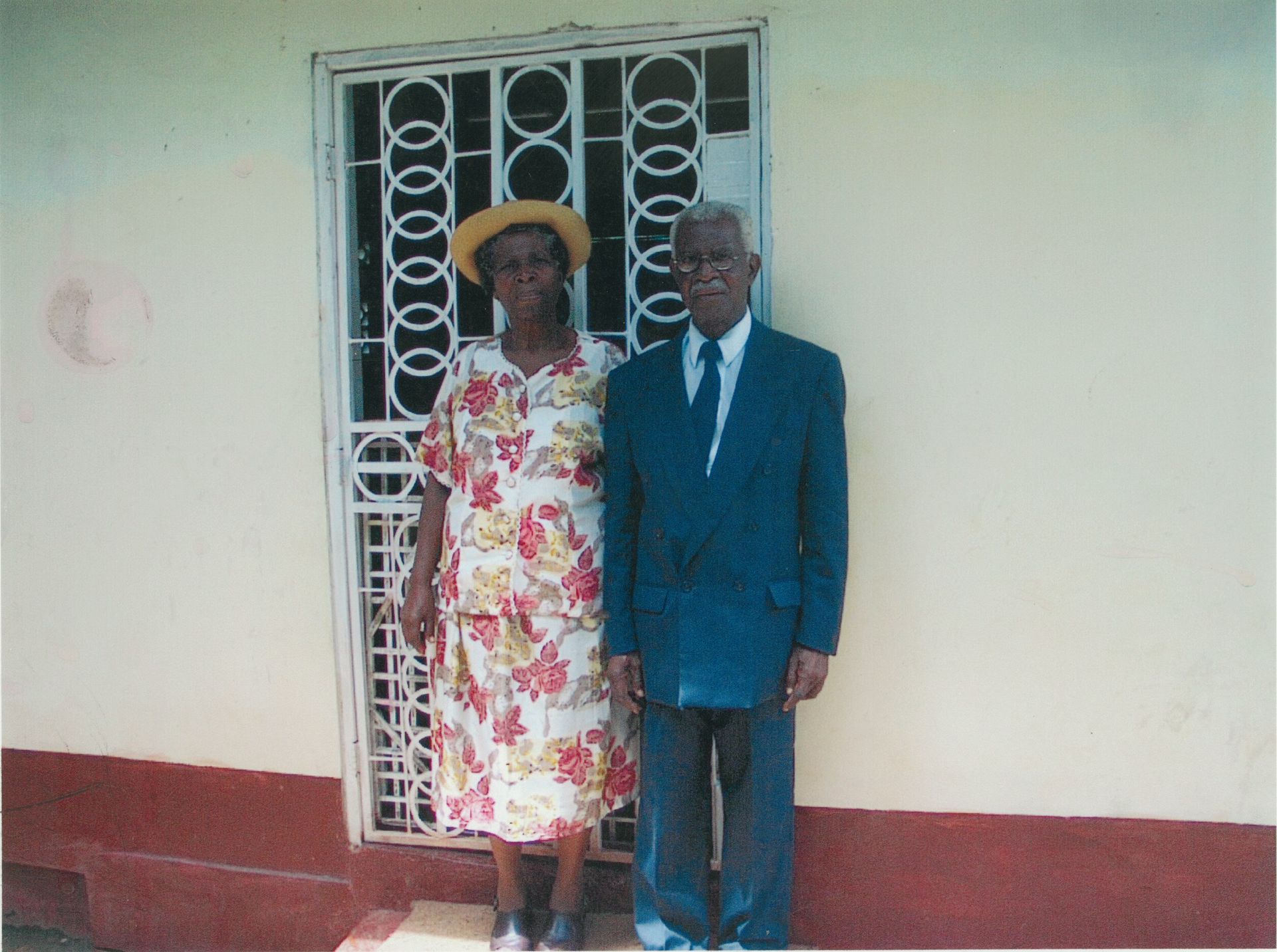
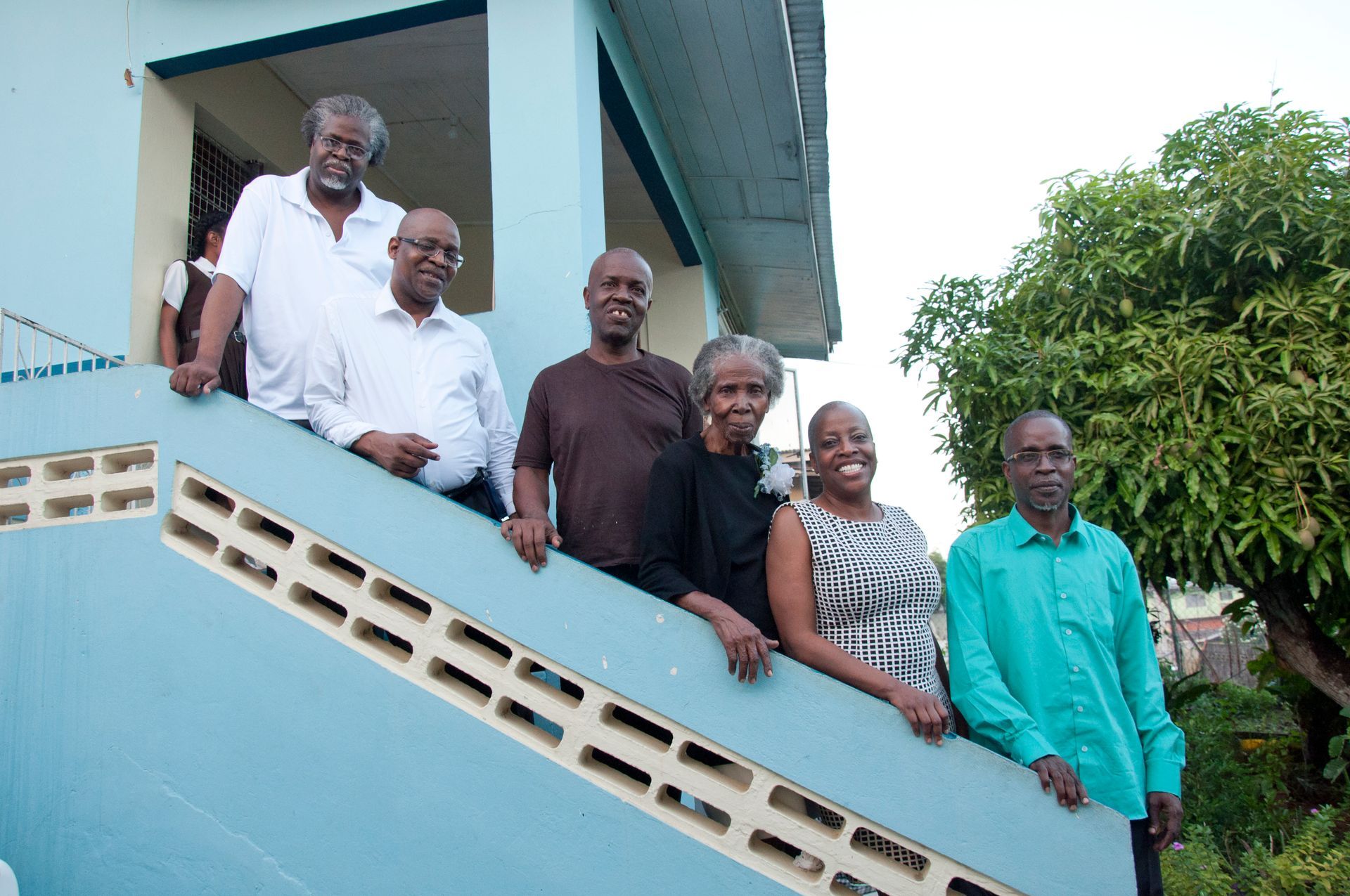
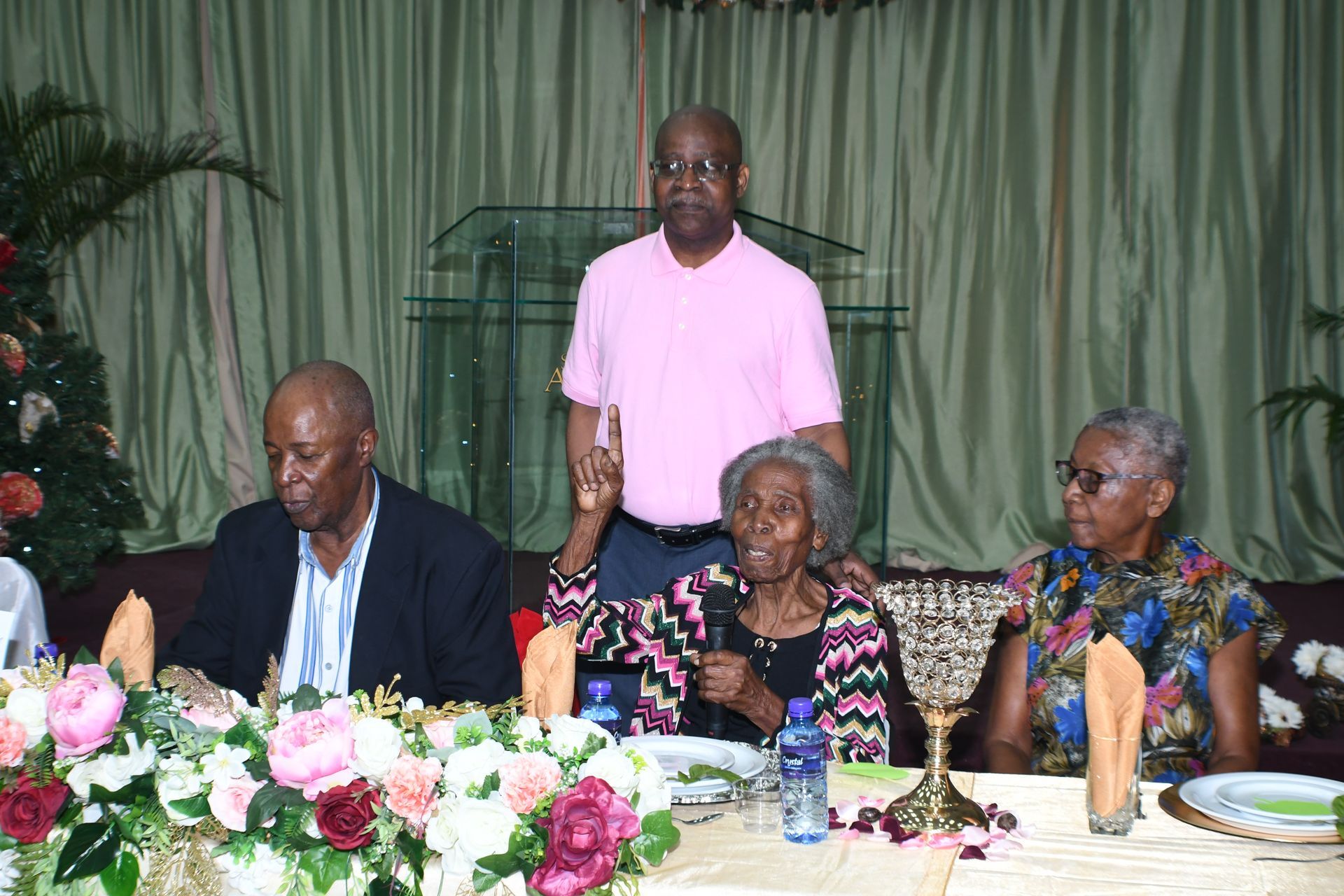
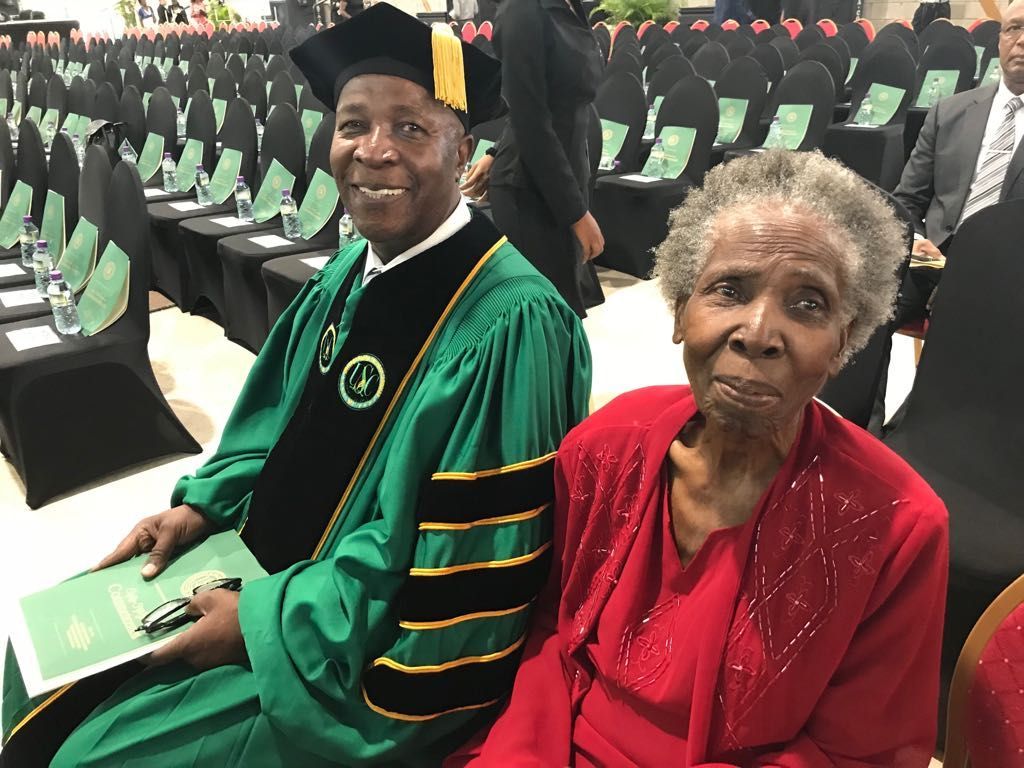
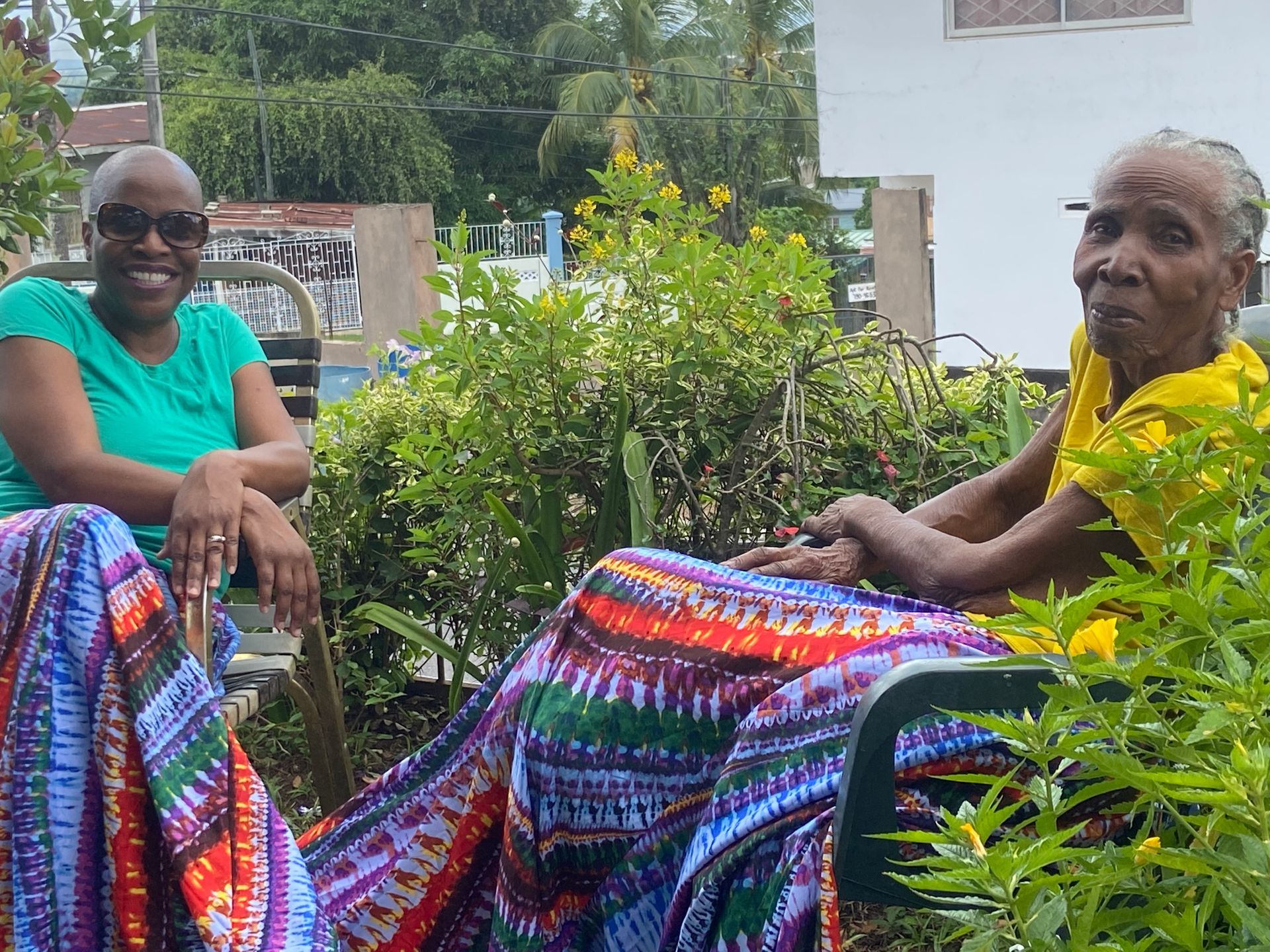
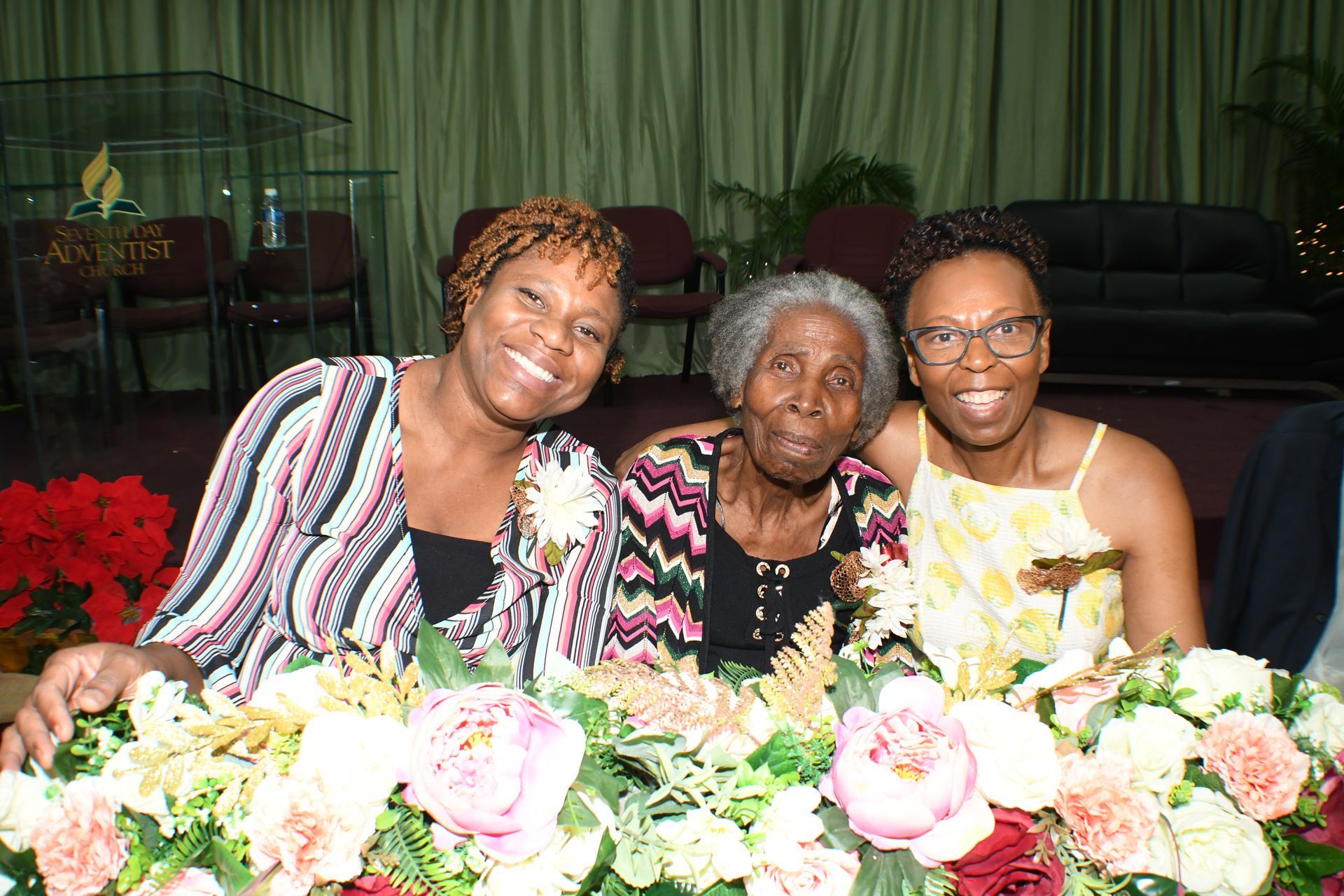
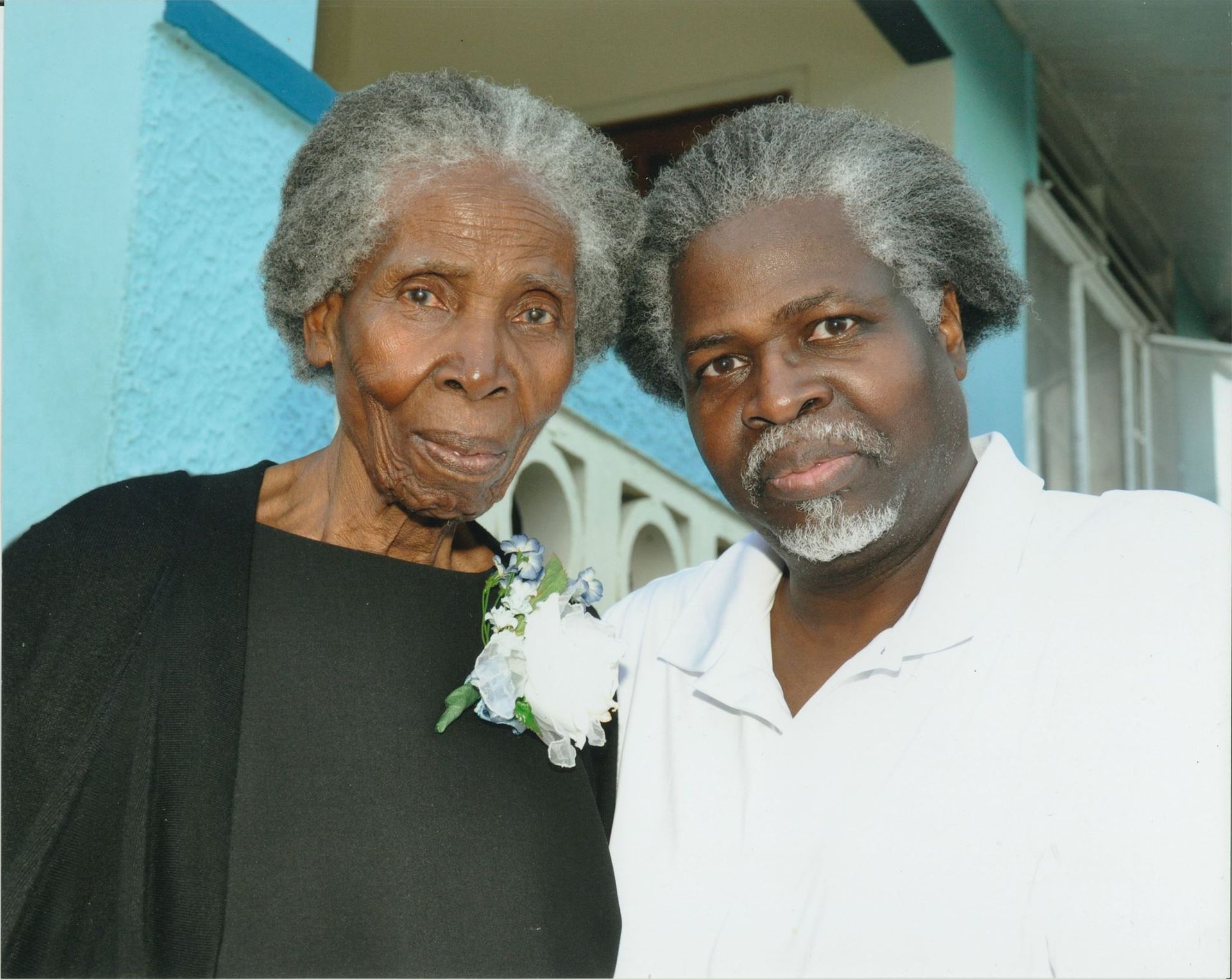
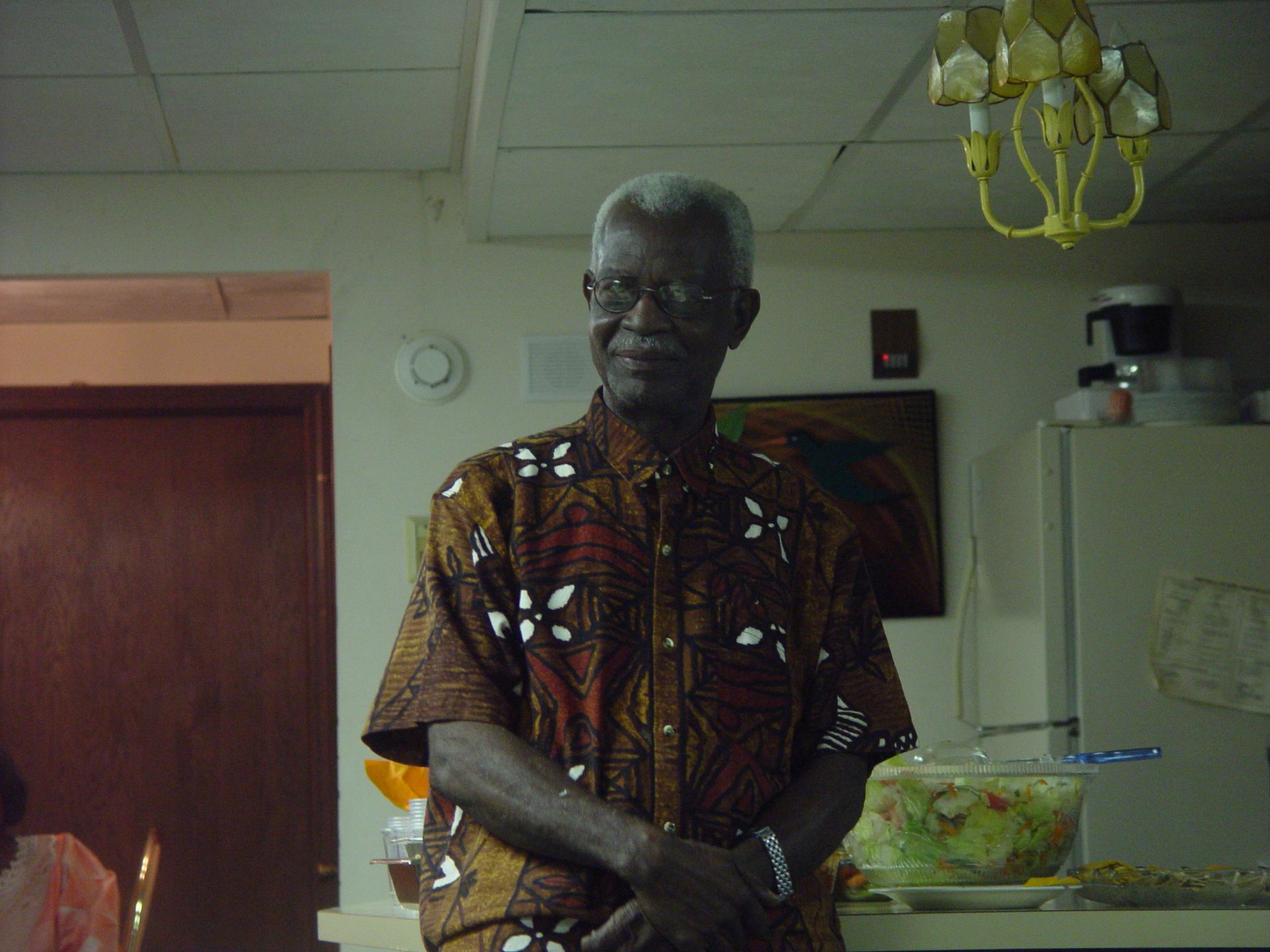
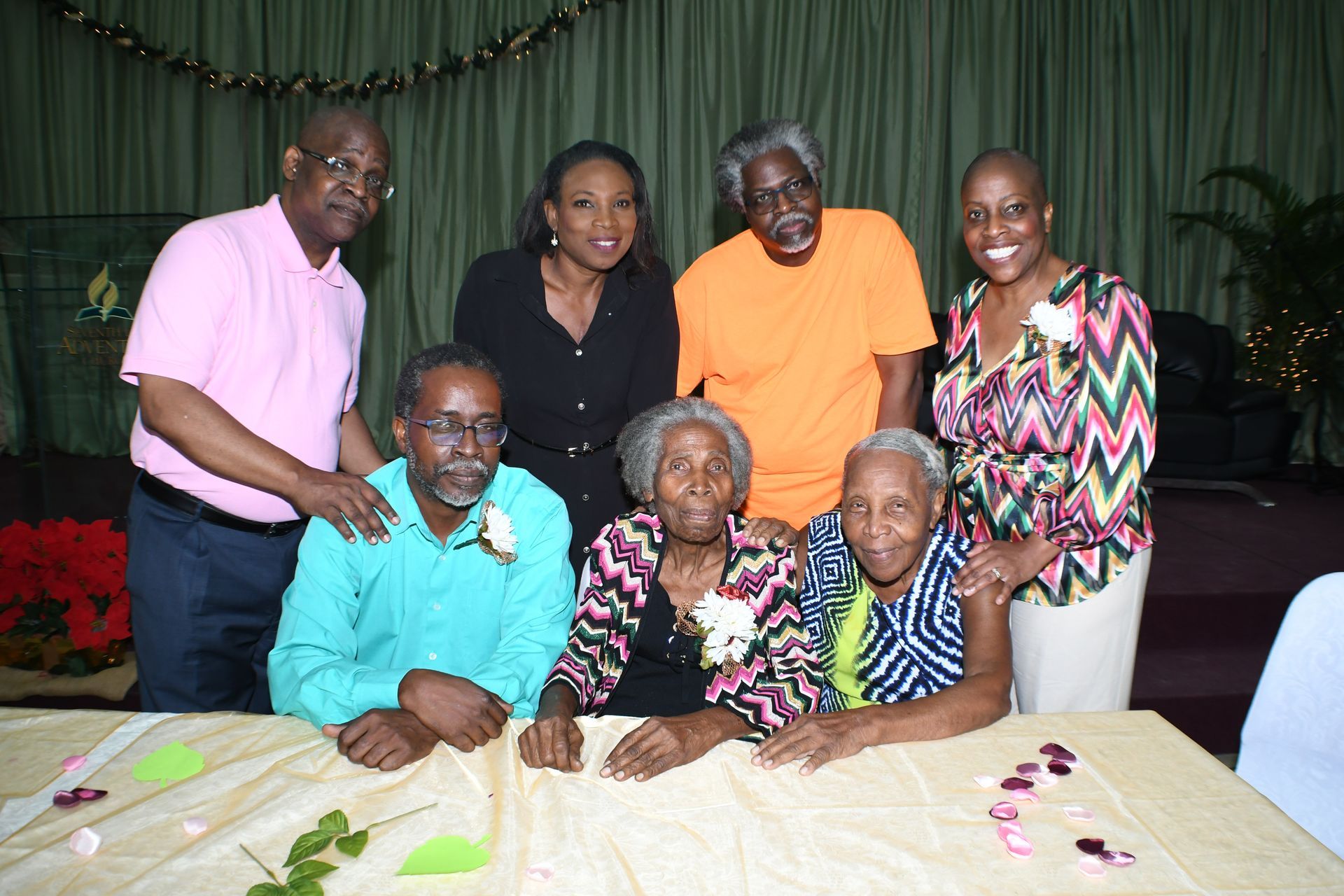
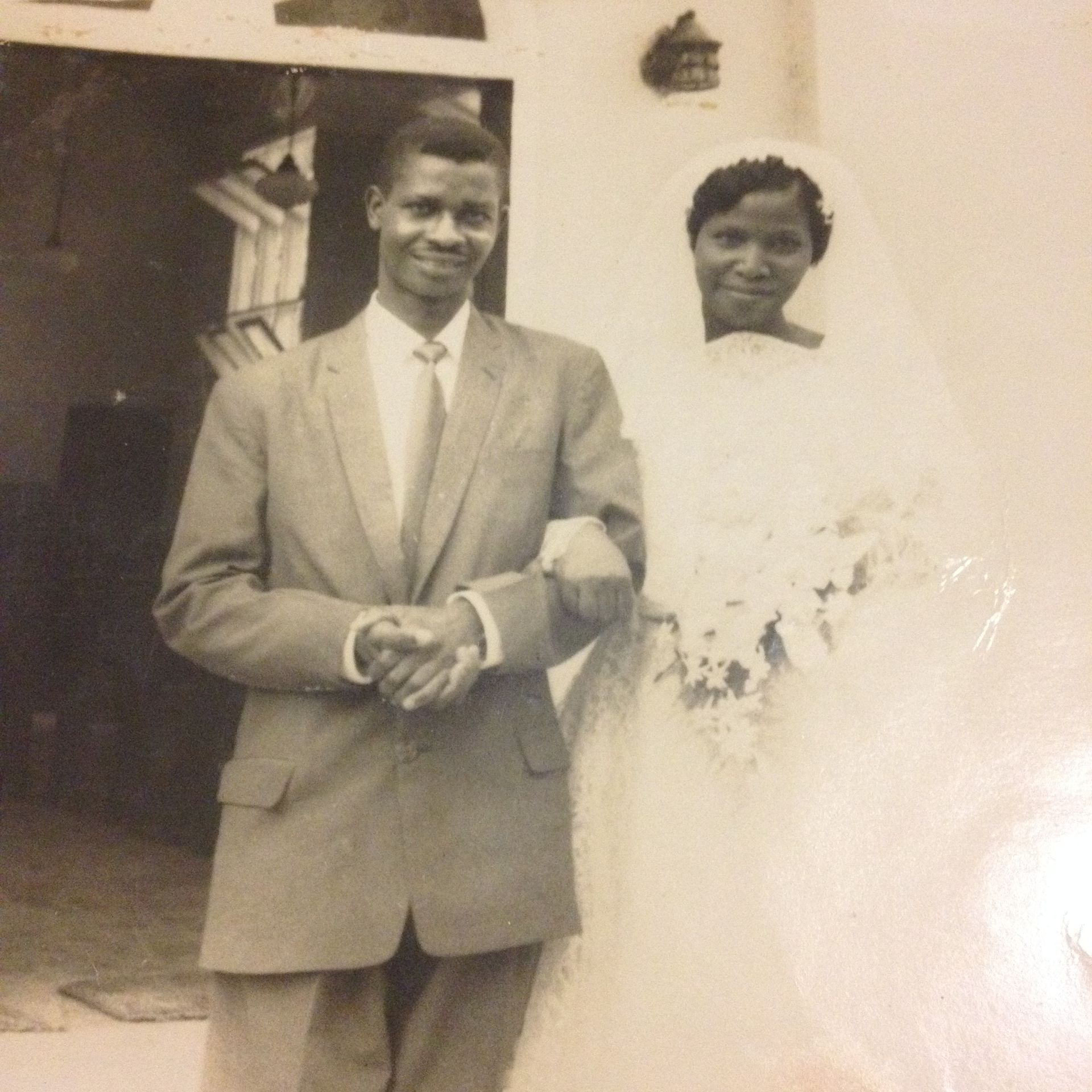
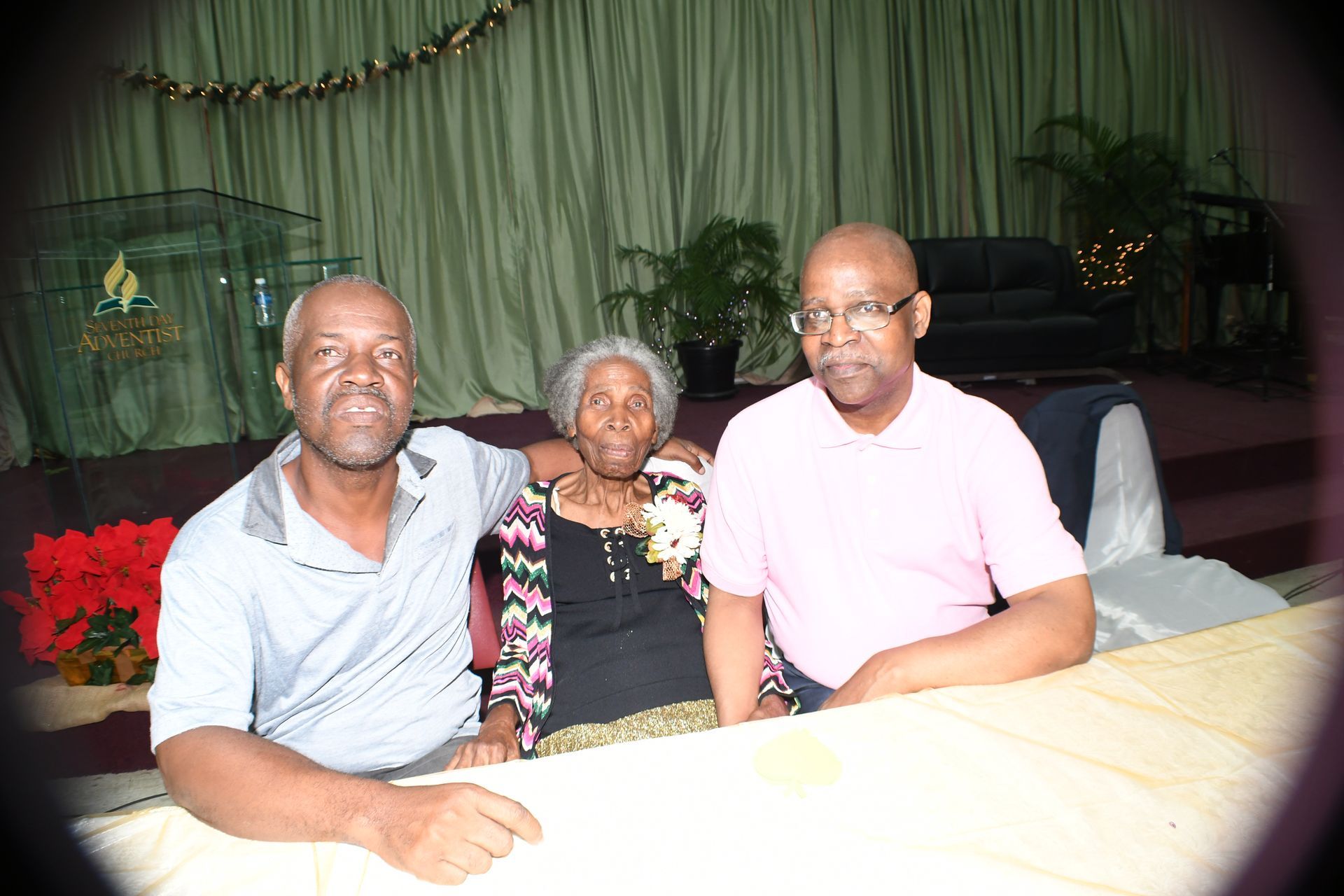
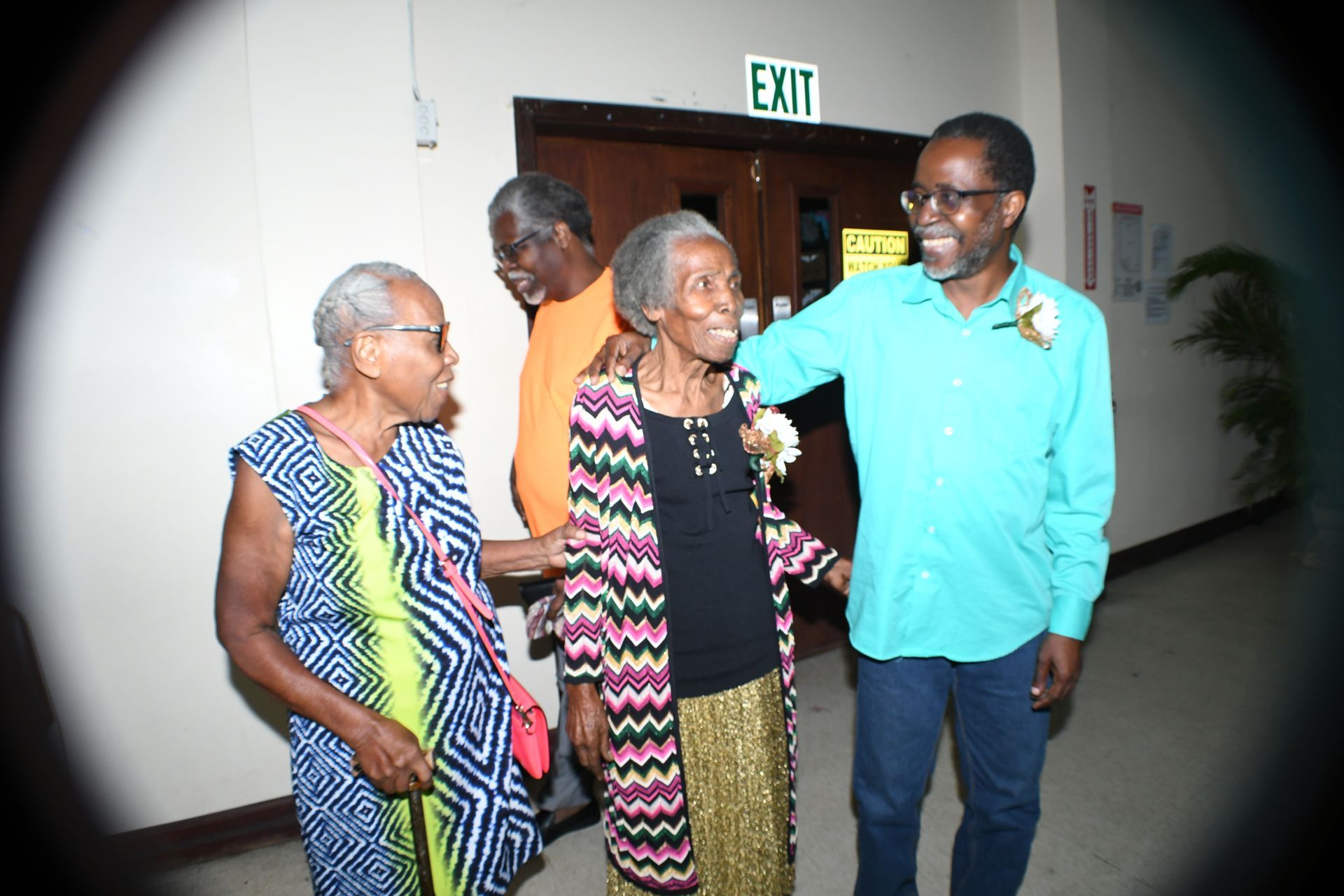
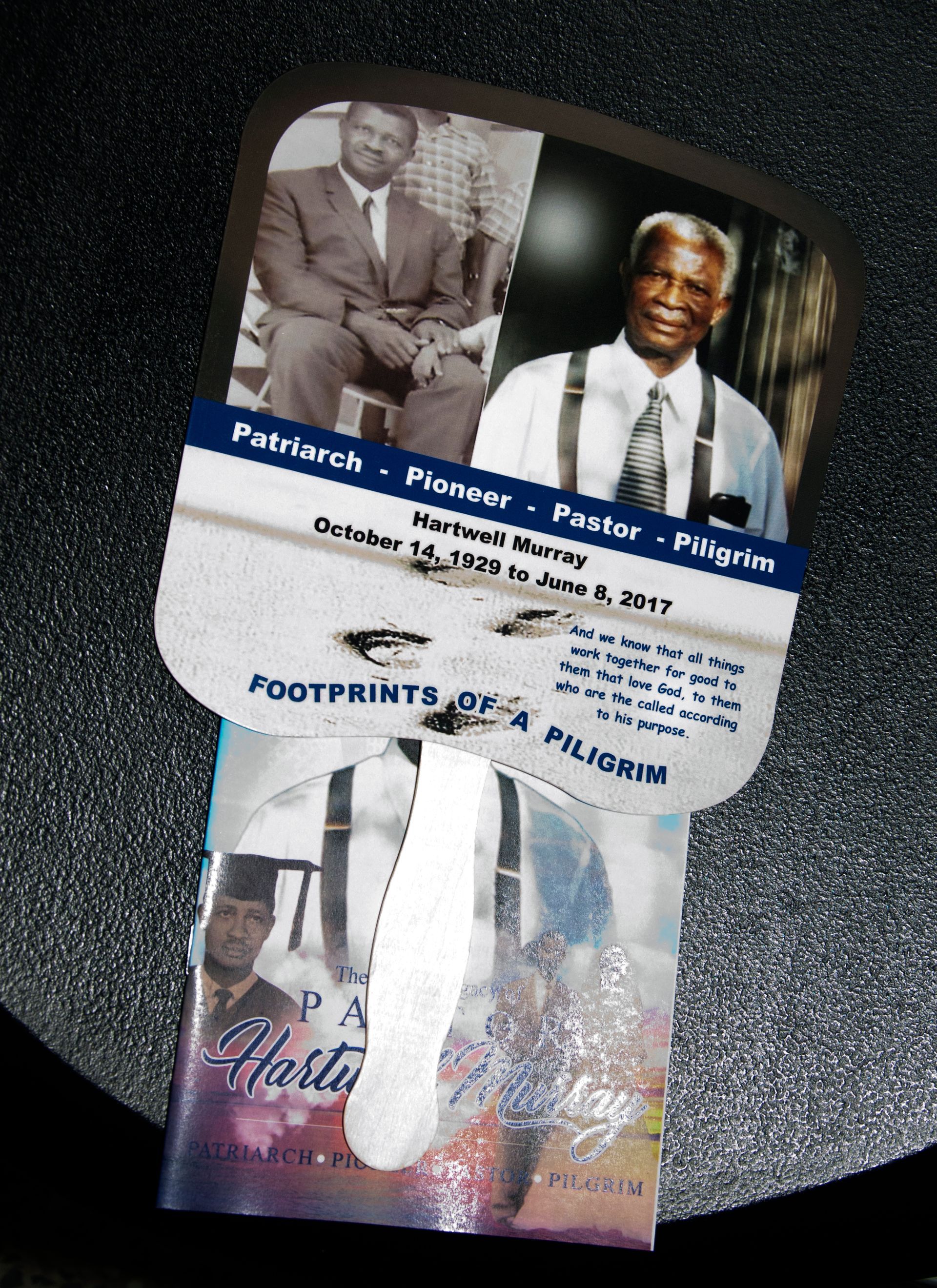
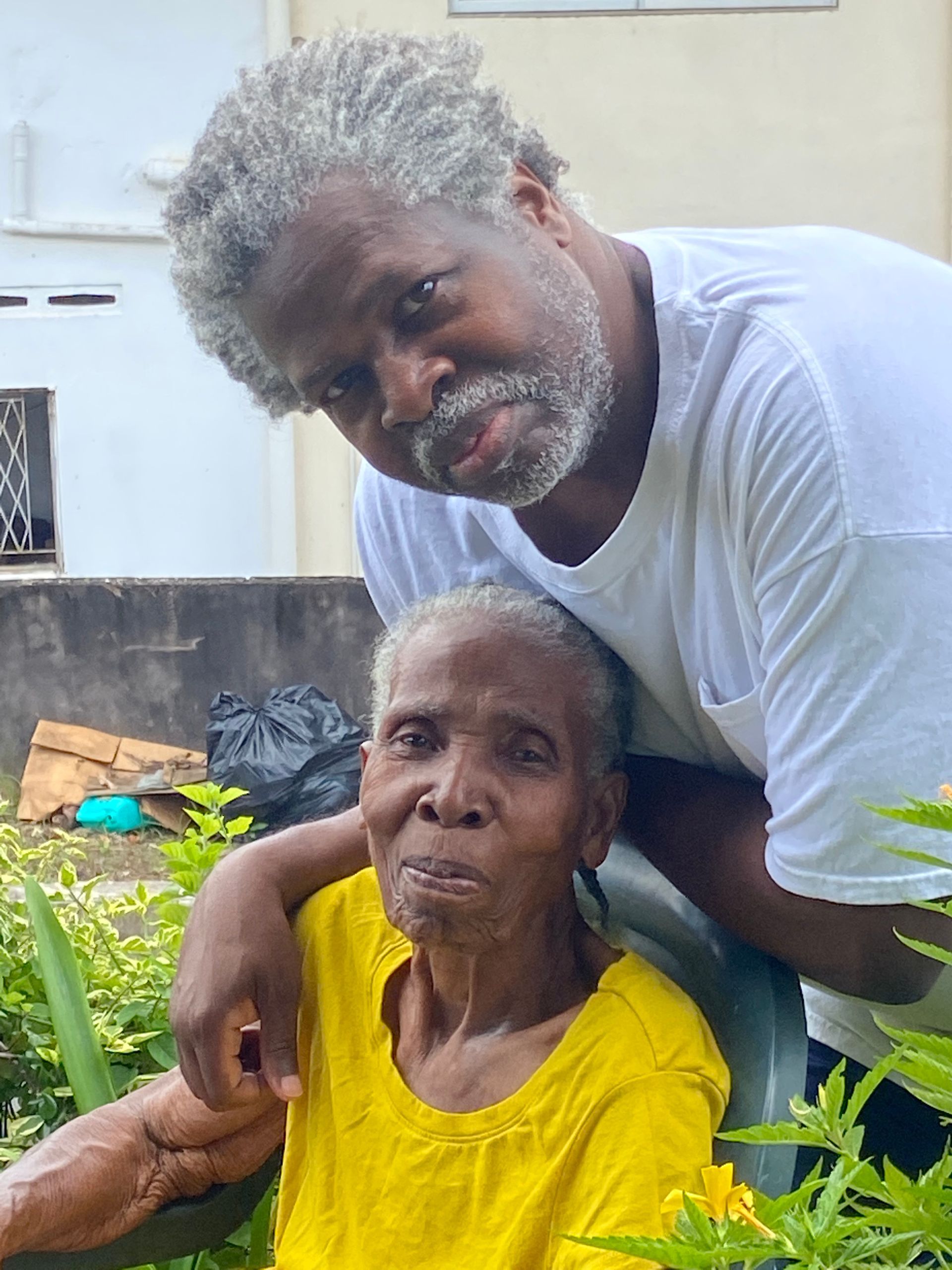
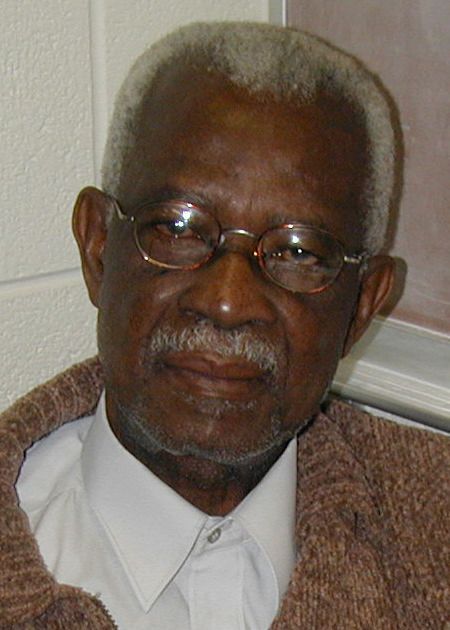
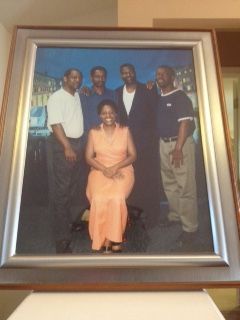
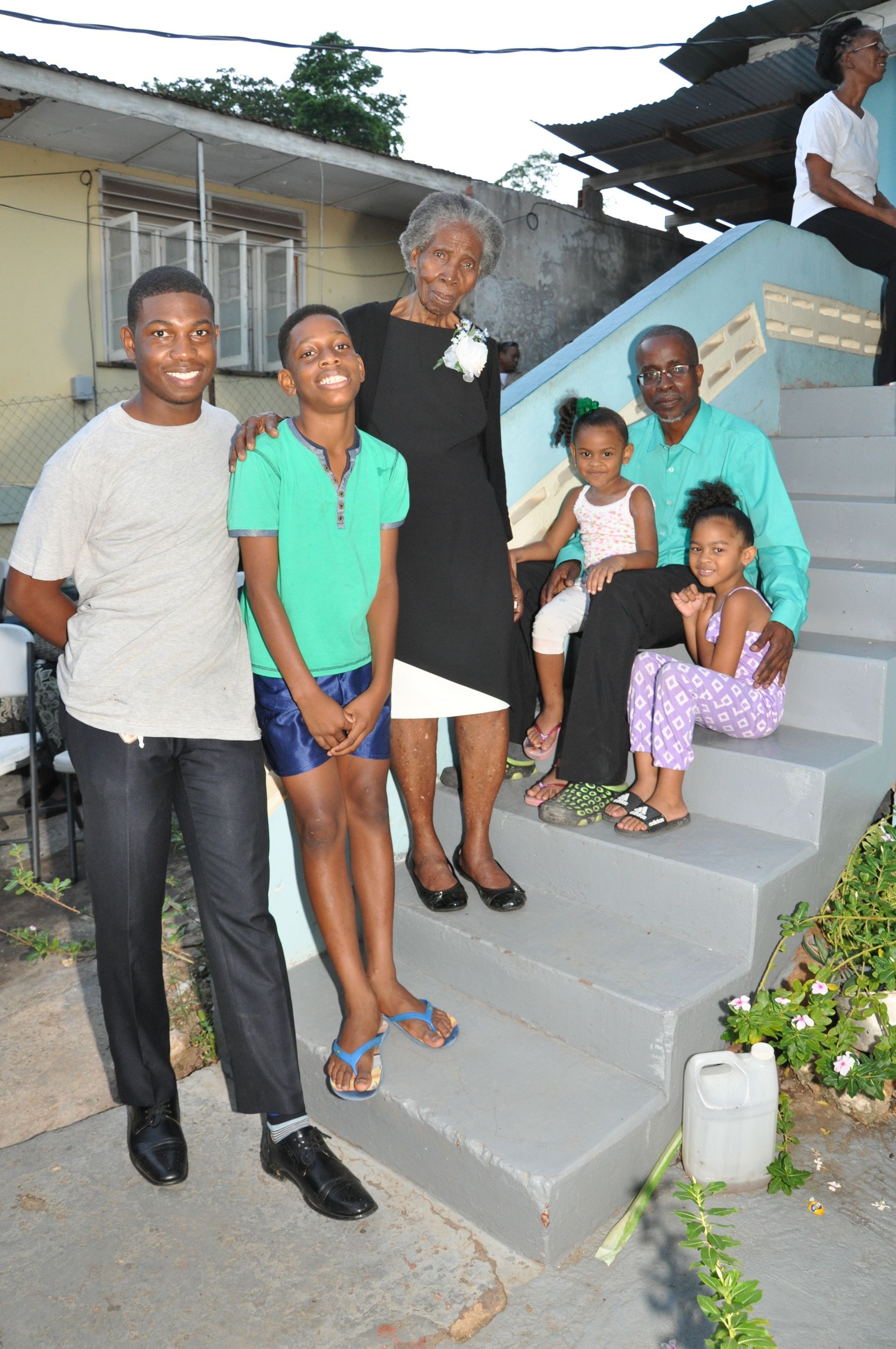
I give thanks and pay tribute to my parents, Aldith (1929 – 2024) and Hartwell (1929 – 2017), to siblings (Walter, Dave, Yvonne, and Neil), and to Walter Douglas (uncle) and Nelva Murray (aunt). I acknowledge all my teachers, mentors, and guides, from elementary to university, from church and school, from personal to professional, and from the Caribbean islands to the continental United States. They all had and continue to have special roles in my life. Without them there is no me and any of my achievements and continuing dreams. There would be no BEST Early and no Environmental Fridays.
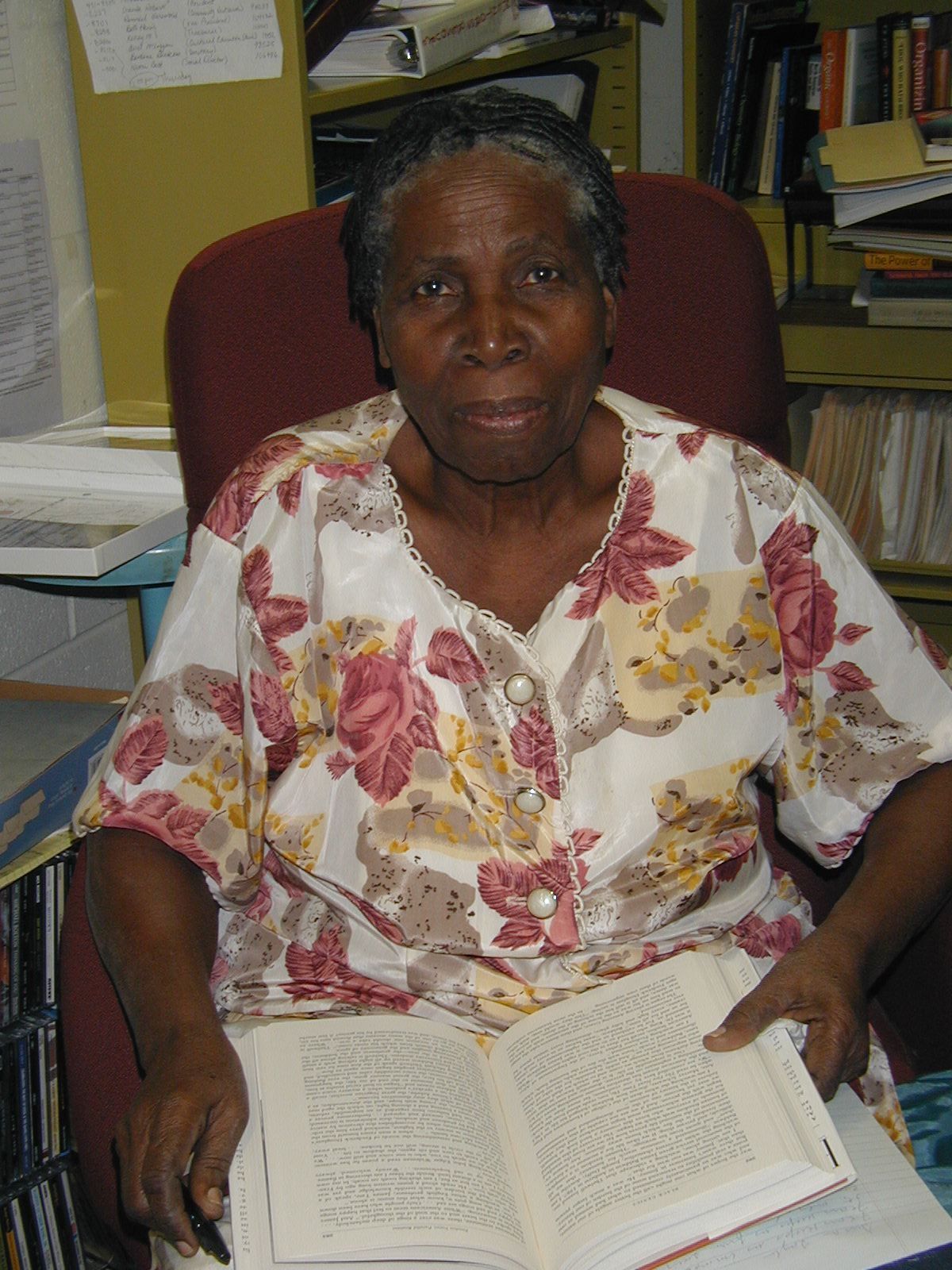
My parents did everything in their ability to give my siblings and me the best opportunities, life lessons, and role models any child wants and needs. Indeed, their sacrifices and struggles against the odds for our education is nothing but legendary. So too were their vision and faith, determination and commitment. They are our examples of insatiable curiosity, continuous improvement and lifelong learning. They are our first role models of innovative ministry and impactful community engagement.
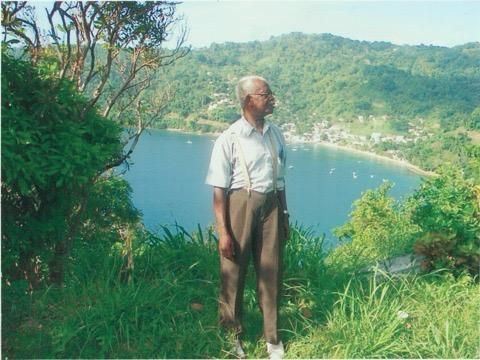
Aldith and Hartwell came from humble pre-Independence beginnings in the southern Caribbean islands of Grenada and Tobago. Mom was born and grew up in Paradise, Grenada. Growing up she lived in a two-story wooden home on a scenic, well-manicured incline overlooking the famous Paradise Bridge - built in 1813 by the British using slave labor. Dad was born and grew up in the mountainous seaside hamlet area surrounding Fort Cambelton in northwest Tobago. This 1777 fort offered him and his siblings panoramic views of Charlotteville, Hermitage Bay and Pirate’s Bay.
Our parents met in Trinidad at Caribbean Union College (now University of the Southern Caribbean) in Maracas Valley in the Northern Range. They were our main teachers during two periods of time when we were homeschooled. We lived and grew up in several countryside villages on the beautiful southern Caribbean islands of Trinidad, Grenada, and Saint Vincent. We vacationed from time to time with paternal relatives in the picturesque villages of Speyside and Charlotteville, and historic Scarborough in Tobago, and with maternal relatives in rural Paradise, Grenada.
Coming up in these islands the sea was never really far away in distance or imagination. I remember times when we took early morning sea baths before going to school. I remember other times when as a family we would take Sabbath afternoon walks in botanical gardens and farms. I remember our daily chores would sometimes include taking care of our chickens and goats. I remember feeling very sad when we had to leave our dog Hero behind to go away to school. I remember walking miles to school and hearing the background hum of the Caribbean Sea fade as we got further inland and closer to school. I remember skipping flat polished stones along the surface of a river as we walked to school.
I remember too the aroma of ripe Julie mangoes, of golden yellow pommecythere (POM-SEE-TAY) and the evening fragrance of creamy white Queen-of-the-night. I remember the sight of copper brown tamarind, yellow passion fruit, lithium red pomerac, flaming orange immortelles, and the synchronized coloring of poui by tropical wet and dry seasons. I remember hearing birds, such as the kiskadee, blue jean and semp. I also remember being fascinated by miniature plants growing out from the outer edges of picked Wonder of the World leaves. This was the world of my youth and early curiosities.
Natural history gives some sense of the ecological richness of Trinidad and Tobago and the wider Caribbean. Because of its continental origin and proximity to South America, Trinidad and Tobago support roughly a hundred species of mammals, over four hundred birds, dozens of reptiles and amphibians, and around 760 species of butterflies - an extraordinary concentration of life for such a small country.
Nature was immediate and personal, the ever-present environment. She was teacher and school, inviting and inspiring me to become a scientist. To observe and behold deeply and learn more of what laid behind its sights and sounds and smells. To learn the chemistry and biology that was manifesting in my animate and inanimate surroundings. The natural ecosystems and biogeochemical cycles of the Caribbean continue to offer rich areas of historical and environmental research and discovery. This was the natural environment that our parents brought us up in. Exploring it was for me both play and study, experiencing it meant both muse and discovery.
The legacy and faith of
Aldith and
Hartwell endures. For this noble heritage I am eternally grateful and forever inspired.